
Keto for women over 50 comes up in our reader messages more than almost any other topic. The question is usually the same: which of our recipes work best, and how do we put a week of meals together without getting bored. This post answers that.
We are not here to make promises or sell a transformation. We cook. We test recipes. We taste cheese. The food ideas below come from what actually shows up on our table most weeks, with links to the recipes and food guides on our site that fit the bill.
If keto is new to you, the structure is simple: lower carbs, moderate protein, higher fat. The food list overlaps with what most cooks already keep in the fridge. Where this guide goes deeper is on the recipe and shopping side, with cuts of meat, cheese choices, and meal patterns we keep coming back to.
Cooking Keto on a Tighter Carb Budget

Cooking keto on a tighter carb budget means keeping net carbs around 20 to 25 grams a day. That number is the standard guideline for the diet. Some keto cooks stay closer to 20, others sit at 30 to 50 and still get the results they want from their meals.
Most of the carb count on a keto plate comes from three places: vegetables, dairy, and any keto-friendly bread or pasta swap. Meat, eggs, and fat add almost nothing. Once you know which foods to count and which to ignore, building a meal takes a couple of minutes.
A few ground rules we use in the test kitchen:
- Pick two carb-source foods per meal, not five. A salad with three keto-friendly toppings, each at 4 grams of carbs, eats up half the daily budget before dinner.
- Read labels on anything in a package. Cheese, mayo, and sausage often carry hidden sugar or fillers. Brand differences matter, which is why our food pages list specific products.
- Cook in batches. A pound of ground beef cooked Sunday turns into tacos Monday, salad topper Tuesday, and a skillet meal Wednesday.
Here is a rough macro split most keto cooks land on:
| Macro | Share of calories | Daily ballpark |
| Fat | 60 to 70% | 90 to 130 g |
| Protein | 20 to 30% | 80 to 130 g |
| Net carbs | 5 to 10% | 20 to 25 g |
Those numbers are starting points. We adjust by what works in the kitchen. The most useful upgrade we have made over the years is leaning more on protein at breakfast. A bigger morning protein hit makes the rest of the day’s cooking simpler, because hunger does not pull us toward off-plan snacks at 10 a.m.
Keep a few staples on hand and the meals build themselves: eggs, full-fat dairy, cooked chicken, a couple of cheeses, leafy greens, avocado, sunflower seeds, and a good olive oil.
Seven Keto Foods We Cook With Often

Seven keto foods show up in our recipes again and again. The list is not ranked by some scoring formula. These are the ingredients we reach for most because they cook well, taste good, and fit inside the carb budget without much thinking.
1. Oysters

Oysters carry about 4 grams of carbs for six raw or smoked. We serve them as a starter, fold them into a creamy chowder, or stir canned smoked oysters into scrambled eggs for a quick protein bump. The flavor reads briny and rich, which pairs well with hot sauce, butter, and lemon. Full carb count on our are oysters keto page.
2. Greek yogurt

Plain, full-fat Greek yogurt runs 5 to 8 grams of carbs per cup. We use it as a breakfast base with sunflower seeds, a sour cream swap on chili and tacos, and a thickener in smoothies. Stick with brands that have no added sugar. Our is Greek yogurt keto page walks through carb counts.
3. Cottage cheese
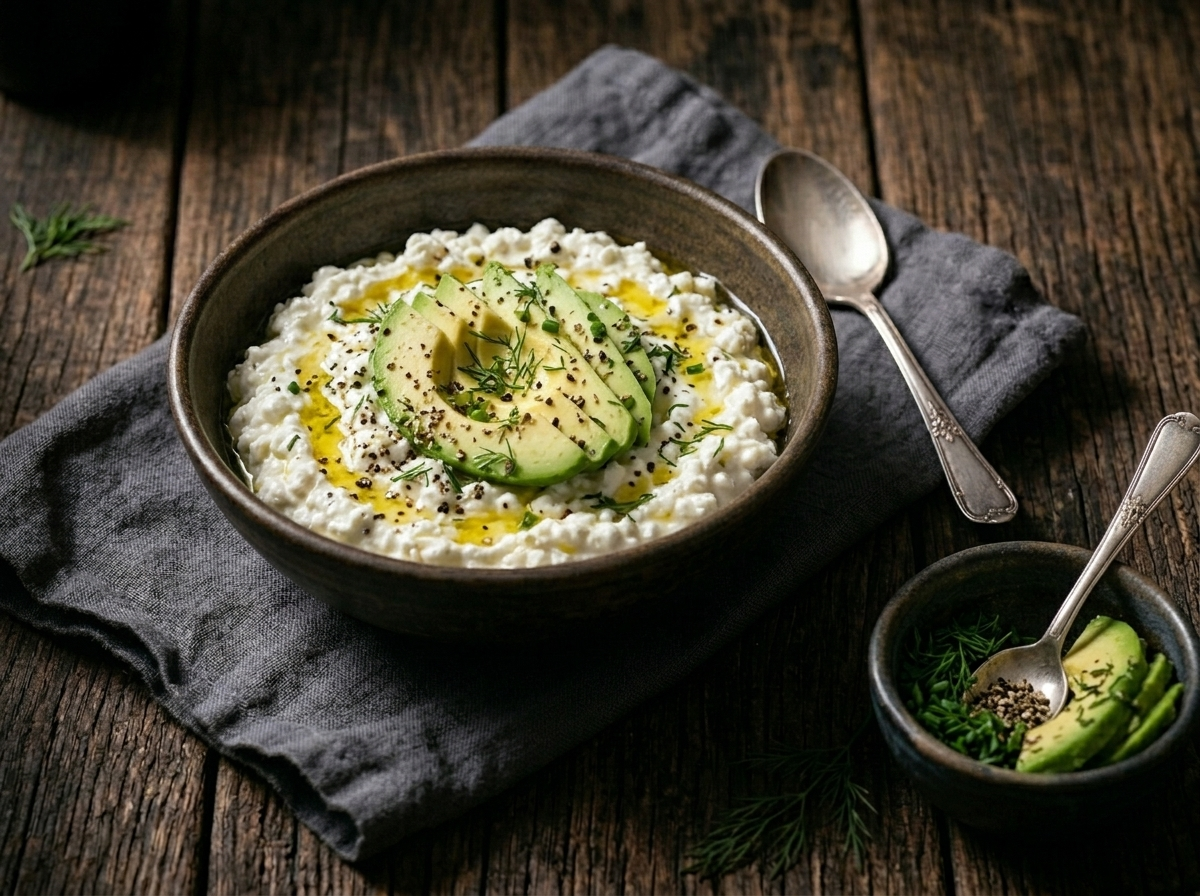
A cup of full-fat cottage cheese carries about 6 grams of carbs. We add olive oil and cracked pepper for a quick savory meal, or stir it into baked dishes for a creamy texture. See is cottage cheese keto for the full breakdown.
4. Parmesan

One ounce of parmesan adds big flavor for under 1 gram of carbs. We grate it over salads, eggs, and roasted vegetables. The trick is buying a block, not the green-can powdered version, which often contains added starch. More on the carb math at is parmesan keto.
5. Sunflower seeds

Sunflower seeds run about 3 to 4 grams of net carbs per ounce, with 6 grams of protein and 14 grams of fat. They are a known source of magnesium and vitamin E. We keep a jar of raw, unsalted kernels on the counter for three jobs: a crunchy topper on Greek yogurt bowls, a folded-in texture in homemade fat bombs, and a swap-in for croutons on salads. Toasted in a dry skillet for 3 minutes, the flavor goes from flat to nutty. For the carb breakdown by serving size and the difference between raw, roasted, and salted, see our are sunflower seeds keto page.
6. Black seed oil

Black seed oil has a sharp, peppery taste that works in salad dressings and marinades. A teaspoon mixed into vinaigrette adds depth without adding carbs. Background on the keto angle at is black seed oil keto.
7. String cheese

One string cheese stick carries under 1 gram of carbs. It is the easiest portable snack on this list and the one we throw in the bag for days when meals run late. Our is string cheese keto page covers brand differences.
A Sample Keto Day Using Our Recipes
A sample keto day using our recipes looks like this in our test kitchen. We built it around 25 net carbs and roughly 1,700 calories. Scale portions up or down by how the food fits your day.
Breakfast (7 a.m.)
Two of our keto breakfast fat bombs plus two scrambled eggs cooked in butter. The fat bombs give a fast, no-cook starter and the eggs round out the protein. On weekends when we want to cook, we swap in our keto breakfast potatoes, a radish-based hash that scratches the comfort-food itch without the carbs of real potatoes.
Lunch (12:30 p.m.)
Big mixed-greens salad with 5 ounces of canned wild salmon, half an avocado, a quarter cup of sunflower seeds, and an olive-oil-based dressing built on one of the best keto mayo brands we have tested. The salmon makes the salad filling enough to skip the afternoon snack on busy days.
Afternoon snack (3:30 p.m.)
Half a cup of plain Greek yogurt from one of the best keto yogurt brands we keep stocked, topped with sunflower seeds and a few raspberries. Having it prepped removes the decision when hunger shows up.
Dinner (7 p.m.)
One serving of our keto cauliflower mac and cheese alongside a grilled chicken thigh, skin on, seasoned with smoked paprika and garlic. The cauliflower base gives the comfort-food feel without the pasta carbs, and the dish reheats well for lunch the next day. If we want bread on the table, one of our keto dinner rolls does the job.
Optional evening (9 p.m.)
A square of 90 percent dark chocolate or a half cup of cottage cheese with cracked pepper.
Total macros land around 1,700 calories, 110 grams of protein, 130 grams of fat, and 22 grams of net carbs. The protein at breakfast and lunch is what makes the rest of the day easy. Skimping there is the most common reason days fall apart by mid-afternoon.
Cooking With Cheese on Keto
Cooking with cheese on keto is one of the small joys that keeps the diet interesting. Most cheeses run between 0 and 2 grams of carbs per ounce, which means they fit almost any meal without eating into the daily budget. The question is which one to reach for, and that depends on the dish.
For melting, we lean on shredded mozzarella, monterey jack, and gruyere. Each one melts cleanly without splitting. Cheddar works too but can break if cooked too hot. For a keto pizza base or a quick chaffle, mozzarella is the default.
For grating over finished dishes, hard cheeses like parmesan, pecorino, and aged asiago add salty depth for almost no carbs. We keep a wedge of parmesan in the fridge at all times. It costs more per ounce than pre-grated, but the flavor is twice as strong, so a little goes further.
For snacking, the portable cheeses win. String cheese, mini babybels, and individually wrapped cheddar squares travel well and carry under 1 gram of carbs each.
For cooking into dishes, full-fat cream cheese and ricotta both work. They add creaminess to baked recipes, sauces, and even keto dessert. Our cottage cheese vs ricotta comparison breaks down which works better in which recipe, since the two get confused at the grocery store but cook differently.
A short reference for the cheeses we use most:
| Cheese | Carbs per oz | Best use |
| Parmesan | <1 g | Grating, salads, eggs |
| Mozzarella | <1 g | Melting, pizza, chaffles |
| Cheddar | <1 g | Snacking, omelets |
| Cream cheese | 1 g | Sauces, dips, dessert |
| Cottage cheese | 3 g per ½ cup | Bowls, baked dishes |
| Greek yogurt | 5 to 8 g per cup | Breakfast, sour cream swap |
For a deeper sort by carb count, our best cheese for keto page ranks 18 cheeses with our notes on which ones earn a permanent spot in the fridge.
Five Cooking Habits That Make Keto Easier
Five cooking habits make keto easier to stick with over the long haul. These come from messages from our readers and our own mistakes from years of cooking this way.
1. Cook a protein in bulk on Sunday
A pound of ground beef, four roasted chicken thighs, or a tray of baked salmon turns into three or four meals through the week. Without a prepped protein, dinner becomes a decision at 6:30 p.m., which is when most off-plan eating happens. We season lightly during the batch cook so the same chicken can become a salad topper Monday, a curry on Tuesday, and a wrap filling Wednesday.
2. Keep two go-to snacks in the fridge at all times
Ours are string cheese and a bowl of pre-cut bell peppers with a dip. When hunger hits between meals, the snack is already made and the decision is gone.
3. Read the label on anything with a sauce
Barbecue sauce, teriyaki glaze, honey mustard, and sweet chili sauce are all sugar-loaded. Plain butter, olive oil, mustard, mayo, and ranch are safer picks. Even ketchup at most restaurants runs high carb. When in doubt, ask for the sauce on the side.
4. Watch the dairy-only weeks
Cheese is helpful, but a half-pound of it a day can get heavy on the digestion after a while. If meals start to feel one-note, swap one cheese serving for a non-dairy fat like avocado or olive oil and the rotation freshens up. We track a rough mental balance: about half the fat from dairy, half from oils, nuts, and avocado.
5. Plan around alcohol intentionally
Wine carries 3 to 5 grams of carbs per glass, beer often more, and mixed drinks can spike into double digits fast. Our best alcohol for keto page lists the lowest-carb choices for nights when wine or cocktails are part of the plan.
Eating Out on Keto
Eating out on keto is easier than it used to be, since most chains now post carb counts online and offer low-carb swaps. The hard part is sticking to the plan when everyone at the table orders pasta. A few rules we use ourselves keep it manageable.
Look up the menu before going. Most chains post nutrition data online. Pick the meal at home, where willpower is not under pressure. Walking in with a plan beats reading the menu when you are already hungry.
Default to protein plus vegetables plus fat. Steak, grilled chicken, salmon, shrimp, all work. Add a side salad with full-fat dressing or steamed broccoli with butter. Skip the bread basket. Ask for the burger without the bun, served on a bed of lettuce.
Watch the sauces. Barbecue sauce, teriyaki glaze, honey mustard, and sweet chili sauce are all carb traps. Plain butter, olive oil, mustard, mayo, and ranch are safer picks. When in doubt, ask for the sauce on the side and use a fraction.
For quick reference, our keto fast food options page covers the major chains with low-carb orders that work at each. We keep it bookmarked on our phones for road trips and travel days.
For sit-down dining, our keto at the Cheesecake Factory guide walks through the menu options that stay under 20 grams of carbs, including a few starters and entrees most people would not flag as keto-friendly.
A practical tip from our own experience: order the protein first and ask the server to bring it before any bread or appetizers. By the time the rest of the table is halfway through their starters, you are already eating your main and not staring at a basket of rolls.
Travel weeks are where most keto plans fall apart. Pack a small cooler with hard-boiled eggs, string cheese, and a couple of fat bombs. Airport food rarely has a real keto option and convenience-store racks are mostly carbs. The hour spent prepping the cooler at home saves three days of cleanup on the back end of the trip. Here are some Ways to stay keto while traveling.
Conclusion
That is the recipe-focused approach we use ourselves. The food list, the meal patterns, and the cheese picks above come from years of cooking this way and answering reader questions about what actually works.
Two reads worth bookmarking next: our best cheese for keto ranking, which sorts cheeses by carb count and cooking use, and our is Greek yogurt keto breakdown, which covers brands and serving sizes for the dairy aisle.
Pick one recipe from this guide to cook this week. The keto rotation builds itself once a few favorites are in the mix.
Frequently asked questions
Source link