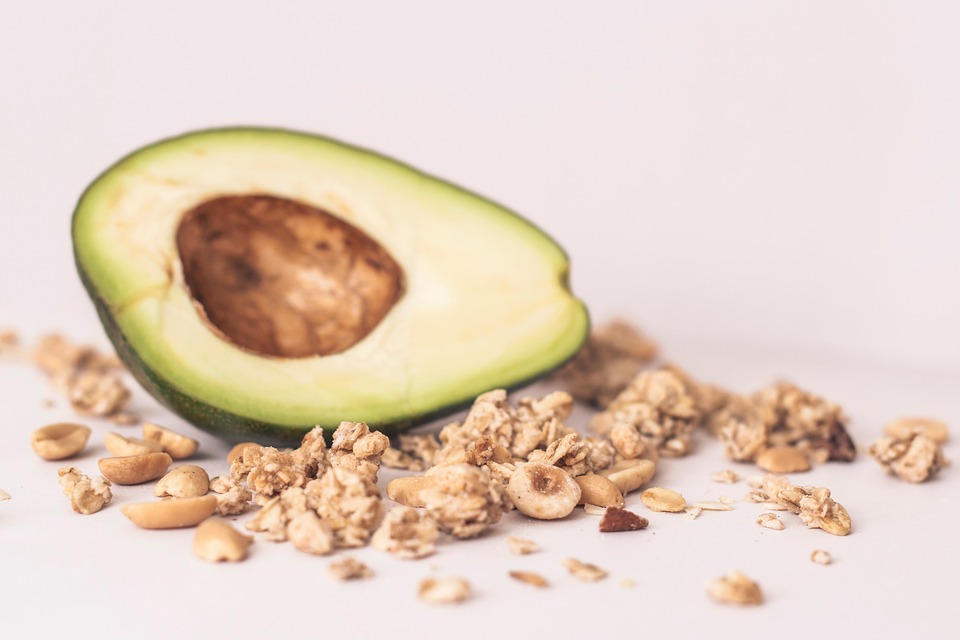
Unlocking the Secrets of the Keto Diet: A Comprehensive Beginner’s Guide
The Keto Diet, short for the Ketogenic Diet, has gained immense popularity among health enthusiasts and dieters alike. By focusing on high-fat, low-carb foods, the Keto Diet helps the body enter a state of ketosis, where it burns fat for energy instead of carbohydrates. In this comprehensive guide, we will explore the principles of the Keto Diet, its benefits, meal planning, and tips for successfully adopting this lifestyle. Whether you’re curious about Keto or ready to dive in, keep reading for everything you need to know.
What is the Keto Diet?
The Keto Diet is a low-carbohydrate, high-fat diet that emphasizes the reduction of carbohydrate intake while increasing fat consumption. This drastically shifts the body’s metabolic state, prompting it to utilize fats as its primary energy source. Here are the core principles of the Keto Diet:
- Reduce carbohydrates: Typically to about 5-10% of total caloric intake.
- Increase healthy fats: Comprising about 70-75% of total daily calories.
- Moderate protein: Around 20-25% of total daily calories should come from protein sources.
How Does the Keto Diet Work?
When carbohydrate intake is significantly reduced, the body enters ketosis, a metabolic state where it becomes highly efficient at burning fat for energy. In ketosis, the liver converts fatty acids into ketones, which serve as an alternative energy substrate for the brain and body. The resulting shift in metabolism can lead to weight loss, increased energy levels, and improved mental clarity.
The Science Behind Ketosis
In a typical diet, carbohydrates are the primary energy source. When you restrict carbs, insulin levels drop, prompting the body to utilize stored fat. This not only aids in weight loss but also stabilizes blood sugar levels, which can be beneficial for individuals with insulin resistance or type 2 diabetes.
Benefits of the Keto Diet
The Keto Diet offers numerous potential benefits, including:
- Weight Loss: Ketosis increases fat burning and reduces hunger levels.
- Improved Mental Clarity: Many individuals report enhanced focus and cognitive function.
- Better Blood Sugar Control: The diet helps in stabilizing blood sugar levels, making it suitable for diabetics.
- Increased Energy Levels: Once adapted, the body can efficiently utilize fat as a fuel source, leading to sustained energy throughout the day.
- Reduced Inflammation: Some studies suggest that a ketogenic diet may help decrease inflammation markers in the body.
Getting Started with the Keto Diet
Transitioning into the Keto Diet may seem daunting, but with careful planning and adherence to guidelines, it can be a rewarding lifestyle change. Here are key steps to get started:
1. Educate Yourself
Understanding what foods fit within the keto framework is crucial. Familiarize yourself with both keto-friendly foods and those to avoid.
2. Meal Planning
Plan meals ahead of time to ensure you’re meeting your macronutrient targets. Here’s a simple meal plan for a day:
- Breakfast: Scrambled eggs cooked in butter with spinach and cheese.
- Lunch: Grilled chicken salad with avocado, olive oil, and a sprinkle of nuts.
- Dinner: Baked salmon with asparagus and a side of cauliflower mash.
3. Stock Your Kitchen
Fill your pantry and refrigerator with keto-friendly staples such as:
- Leafy greens
- Low-carb vegetables
- Healthy fats (olive oil, coconut oil, avocados)
- High-quality protein (meat, fish, eggs)
- Low-carb snacks (nuts, seeds, cheese)
4. Stay Hydrated
Hydration is essential, especially during the early transition phase. Consider increasing your electrolyte intake as well to avoid the “keto flu,” a common term for flu-like symptoms experienced in the initial phase.
Navigating Common Challenges
Embracing the Keto Diet can come with challenges. Here are common pitfalls and how to avoid them:
1. Keto Flu
The keto flu consists of symptoms like headache, fatigue, and irritability as your body adapts. To mitigate this, ensure sufficient electrolyte intake and hydration.
2. Cravings and Temptations
It’s normal to crave carbs, but staying occupied and focusing on your goals can help resist temptations. Keep keto-friendly snacks handy for emergencies!
3. Social Situations
Dining out or attending gatherings can be tricky. Don’t hesitate to communicate dietary restrictions and opt for low-carb options when available.
Maintaining Long-Term Success
Embracing the Keto Diet as a permanent lifestyle can lead to long-lasting health benefits. Here are tips for sustainability:
- Continuously experiment with new recipes.
- Engage with the ketogenic community for support and motivation.
- Track your progress and celebrate milestones.
- Stay informed about nutrition and possible health concerns.
Conclusion
The Keto Diet can be an effective way to achieve weight loss and improve overall health. With its foundational principles, potential benefits, and practical tips for success, anyone can start their journey toward a healthier lifestyle. Always remember that individual responses to the keto diet vary, and it’s wise to consult with a healthcare professional before making significant dietary changes.
FAQs
1. Is the Keto Diet safe for everyone?
The Keto Diet is generally safe for most people; however, those with certain health conditions should consult a physician before embarking on a low-carb diet.
2. Can I eat fruit on the Keto Diet?
Most fruits are high in carbohydrates, but berries in moderation are typically acceptable due to their lower sugar content.
3. What if I don’t see immediate results?
Weight loss and metabolic changes vary among individuals. Patience is essential, and sticking to the diet will yield results over time.
4. Can I exercise while on the Keto Diet?
Yes! However, weight training, combined with a proper nutritional intake, can be beneficial. Adjust your workout intensity based on your energy levels.
5. Will I regain weight after stopping the Keto Diet?
Like any diet, weight maintenance depends on long-term habits. Gradually introducing carbs back into your diet can help prevent rapid weight gain.