Debunking the Top 10 Nutrition Myths
Fung recommends looking for products labeled “whole grain” or “whole wheat,” which means they’re made with at least 51 percent whole-grain ingredients. Even better, choose one that says “100% whole grain.” You can also look at the ingredient list to make sure a whole grain is listed first.
4. Myth: All sugar and carbs are bad — even in fruit
Sugar-free and low-carb diets like keto and paleo are popular, which might lead you to believe that anything with carbs or sugar is bad for your health. However, there’s a big difference between the natural sugars in fruits and vegetables and the added sugars and refined starches in processed foods, says Dariush Mozaffarian, M.D., a cardiologist, public health scientist and director of the Food is Medicine Institute at Tufts University.
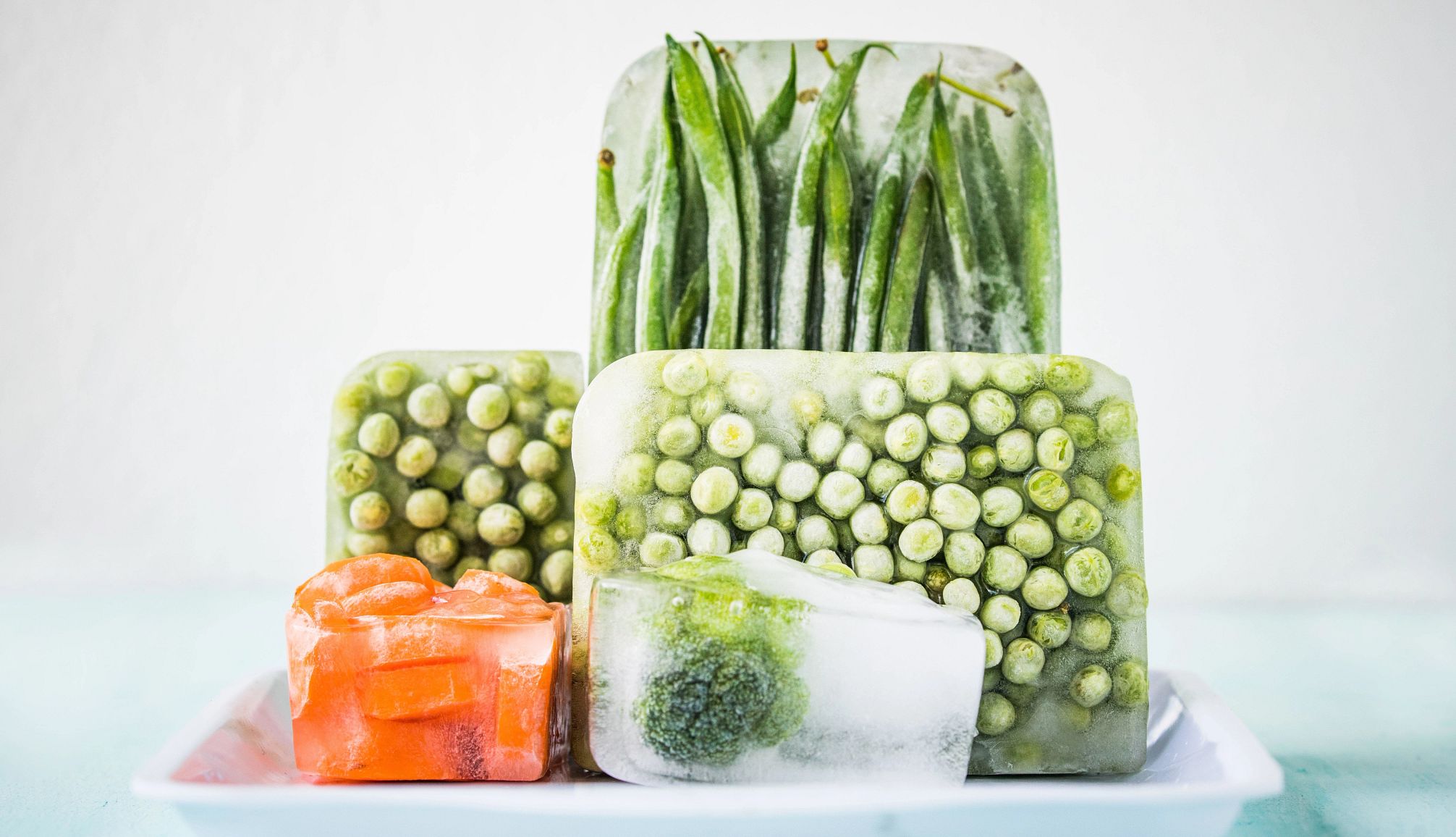
5. Myth: Fresh produce is healthier than frozen
Nothing beats picking up fresh raspberries or peas at the farmers market. But if it’s the dead of winter, with no local produce to be found, rest assured that you won’t be missing out on any nutrients if you shop the frozen foods aisle, says Valter Longo, a gerontologist, cell biologist and director of the Longevity Institute at the University of Southern California.
Frozen produce tends to be picked at the peak of ripeness, and studies show that frozen foods have as many vitamins and antioxidants as fresh ones, and in some cases even more. What’s more, the longer you store fresh produce, the more of its nutritional value it loses, research shows.
“Food can oxidize and get contaminated over time,” Longo says. “If you pick berries and freeze some and leave some out, the ones that were frozen might be fresher than the ones that sat around on a bench or in a crate.”
6. Myth: Canola oil is toxic
You might have seen social media posts that claim canola oil, sunflower oil and other seed oils are toxic, but science doesn’t back that up, Mozaffarian says. “There is very clear evidence for them being beneficial,” he says.
Canola oil is very low in saturated fat and is high in healthy monounsaturated fats, omega-3s and phytosterols, which are known to reduce the absorption of cholesterol in the body. A 2020 review published in the journal Nutrition, Metabolism & Cardiovascular Diseases found that canola oil lowered cholesterol and improved cardiovascular risk factors.
7. Myth: Gluten-free foods are healthier
Gluten is a protein found in grains including wheat, barley and rye. People with celiac disease must eliminate gluten from their diets to prevent damage to their intestinal tracts and other parts of their bodies. And for those with gluten sensitivity, eliminating gluten can help with symptoms of bloating, diarrhea or abdominal pain, according to Harvard Medical School.
For the rest of us, however, gluten-free does not necessarily mean healthier, Mozaffarian says.
Source link