Adherence to the New Nordic Renal Diet Among Patients with Stages 3 and 4 Chronic Kidney Disease After Intervention
Patients with moderate chronic kidney disease may benefit from following the New Nordic Renal Diet (NNRD), which is a meal plan that is low in phosphorus, protein, and sodium. A study on the NNRD demonstrated positive improvements in metabolic and physiological outcomes after a 26-week intervention period. During the original research, participants were randomly assigned to either follow the NNRD (n = 30) or continue with their usual dietary habits (n = 30). The primary goal of the study was to assess the adherence to the NNRD three months after the intervention had ended, which is commonly referred to as the follow-up period. A total of fifty-seven participants completed the follow-up visit, during which fasting blood samples and 24-hour urine samples were collected.
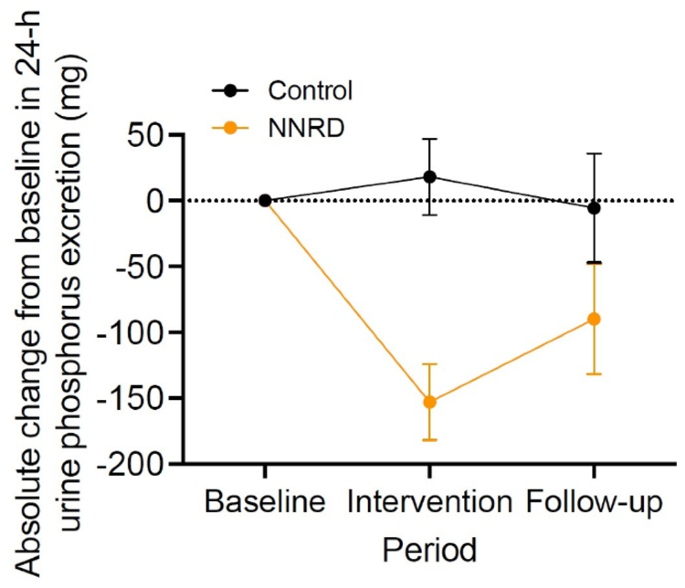
Upon reaching the follow-up stage, it was observed that the significant reduction in 24-hour urine phosphorus excretion previously observed in the NNRD group was no longer present. In fact, there was an increase of 63mg in 24-hour urine phosphorus from the intervention phase to the follow-up phase in the NNRD group, whereas the control group saw a decrease of 24.1mg. This resulted in a between-group difference of 87.1mg (95% CI -10.1, 184.3, p = 0.08). These findings suggest that more proactive measures are necessary to ensure that individuals are able to adhere to the NNRD and maintain the beneficial effects it offers.
Source link