
Customized Genetic-Based Diet Outperforms Conventional Methods in Lowering Blood Sugar Levels
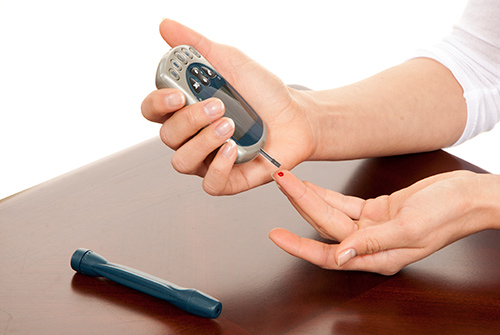
A pilot study of 148 people with high blood sugar conducted by researchers from Imperial College London (ICL) and testing company DnaNudge has shown that the use of personalized dietary advice based on genetic information, combined with face-to-face dietary coaching was more effective at reducing blood sugar levels than standard dietary approaches.
Findings from the study were published this week in the journal Nature Scientific Reports.
“Genetic profiles of chronic conditions, such as type 2 diabetes (T2D), obesity, hypertension, and blood cholesterol can tell us which foods for individuals might be better or worse at reducing the risk of these conditions, allowing us to specifically tailor advice around their dietary intake of fats, carbohydrates, and other macronutrients,” said co-senior author Chris Toumazou from the department of electrical and electronic engineering and DnaNudge. “Our pilot study, where we apply this to pre-diabetes, shows promising results, suggesting that genetically informed diets could be an effective intervention compared to, or combined with, standard NICE-guided advice.”
Pre-diabetes is defined as a person having blood glucose levels that are consistently higher than usual, but the condition has not yet progressed enough to be classified as type 2 diabetes. Finding effective ways of reducing blood sugar in pre-diabetes, since it is reversible through lifestyle modification, can prevent it from progressing to T2D.
Lifestyle changes, including dietary changes, can cut in half the number of people with pre-diabetes who progress to T2D. Currently, in the U.K. where the study was conducted, healthcare providers use health intervention for the National Institute for Health and Care Excellence (NICE) to inform their advice for dietary changes and increases in physical activity to help stave off T2D. But this level of care is labor intensive and requires multiple follow-up visits.
With this in mind, the new research sought to identify the specific genetic traits that could account for the development of diet-related health conditions and ways for reducing blood sugar. To test the effects of using DNA-based dietary advice, the study enrolled 148 people with high blood sugar levels. Participants had baseline measurements of fasting plasma glucose (FPG) levels and glycated haemoglobin (HbA1c) blood sugar levels. Patients also answered a questionnaire detailing how often they consumed certain foods.
The participants were assigned to three separate study cohorts:
- The control group, whose subjects received NICE-guided coaching from a dietician only;
- The intervention group, whose subjects received coaching and a DNA-based diet;
- The exploratory group, whose subjects received no coaching but were self-guided by DnaNudge’s app and wearable device that enabled them to scan barcodes and receive DNA-personalized food and drink recommendations while shopping.
The FPG and HbA1c levels of the participants were then taken at six, 12, and 26 weeks. At six weeks there was no statistically significant difference found between the three groups, but at 26 weeks the researchers found a significant reduction of both FPG and HbA1c in participants using the DNA-based diet both with and without the use of the DnaNudge app.
Compared to the control group, the intervention group exhibited an average reduction of FPG of 0.019 mmol/L and a reduction in HbA1c by 0.038 mmol/mol, while the exploratory group saw a 0.021 mmol/L reduction in FPG with no reduction in HbA1c, as measured at 26 weeks.
“Prior to progression to type 2 diabetes, people and their healthcare professionals have an opportunity to reduce their risk. The NICE guidance for lifestyle change—for example, the inclusion of fruits, vegetables, healthy fats, and whole grains—is evidence-based and effective for a population,” said co-senior author Nick Oliver, a professor at Imperial College London’s Department of Metabolism, Digestion and Reproduction. “But our findings suggest that personalization by genetically tailoring dietary advice to an individual might have an even greater effect.”
The researchers caution that more work is needed, as their pilot study was in a very small population of patients, and a larger randomized controlled trial is needed to confirm these results. They also noted that genetic risk factors for T2D could have limited effects when compared with other biological or socioeconomic vulnerabilities, as well as inequalities in access to healthcare, associated with race and ethnicity.
The team now plans to run a larger multi-national study with thousands of participants that will include a diverse population.
Source link