Keto Basics: 10 Essential Foods to Kickstart Your Low-Carb Journey
Are you looking to dive into the world of keto? The ketogenic diet, characterized by low-carb and high-fat intake, can offer numerous health benefits, including weight loss, improved mental clarity, and enhanced energy levels. However, starting this journey can be overwhelming, especially when it comes to dietary choices. This article outlines the 10 essential foods that will help you begin your low-carb journey effectively.
Understanding the Keto Diet
The ketogenic diet is primarily focused on reducing carbohydrates and increasing fats to prompt your body to enter a state of ketosis. In ketosis, your body becomes adept at burning fat for energy rather than carbohydrates. For many, this leads to weight loss, improved mental focus, and sustained energy throughout the day. However, to successfully accomplish this dietary shift, it’s crucial to incorporate the right foods into your meals.
1. Leafy Greens
Leafy greens such as spinach, kale, and Swiss chard are packed with essential vitamins and minerals, while being extremely low in carbohydrates. They’re ideal for adding volume to your meals without compromising your carb limit.
- Rich in nutrients: Vitamins A, C, K, folate, and antioxidants.
- Great for salads, soups, and smoothies.
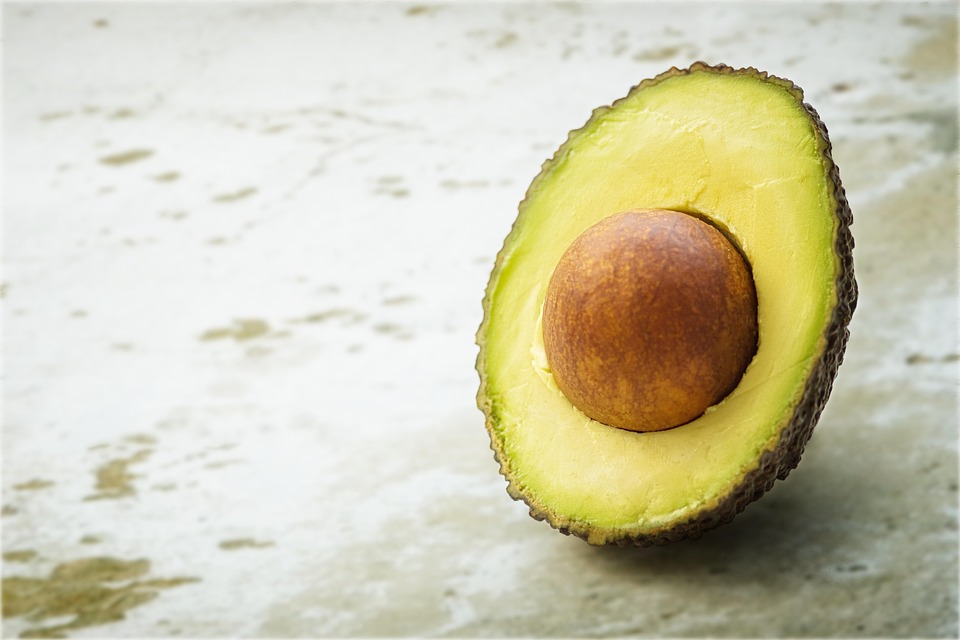
2. Avocados
Avocados are the perfect keto-friendly food due to their high content of monounsaturated fats. They also provide fiber and a range of nutrients, making them an excellent choice for snack time or as a meal ingredient.
- High in potassium, which is vital for maintaining electrolyte balance.
- Versatile in recipes; can be used in salads, smoothies, and as spreads.
3. Eggs
Eggs are a keto staple due to their high protein content and healthy fats. They are also incredibly versatile, making them useful in various recipes from breakfast to dinner.
- Rich in vitamins D and B12, as well as antioxidants like lutein and zeaxanthin.
- Add to dishes like omelets, salads, or simply boiled.
4. Fatty Fish
Fatty fish such as salmon, mackerel, and sardines are packed with omega-3 fatty acids and protein. These fish are not only delicious but also promote heart health.
- These essential fats are beneficial for maintaining cognitive function.
- Can be grilled, baked, or sautéed for healthy meals.
5. Nuts and Seeds
Nuts and seeds are perfect for snacking and provide healthy fats and fiber. Almonds, walnuts, chia seeds, and flaxseeds are particularly good choices on a keto diet.
- High in magnesium and vitamin E.
- Incorporate into salads, smoothies, or enjoy them raw.
6. Cheese
Certain types of cheese are low in carbs and high in fat, making them an excellent option for ketogenics. Cheddar, mozzarella, and cream cheese are particularly favorable.
- Provides calcium and protein.
- Perfect for snacking or adding to various dishes.
7. Coconut Oil
Coconut oil is rich in medium-chain triglycerides (MCTs), which can help support ketone production, making it an ideal cooking fat for your keto diet.
- Great for sautéing or baking; it has a high smoke point.
- Can also be added to smoothies or coffee for an energy boost.
8. Berries
While most fruits are high in carbohydrates, berries such as strawberries, blackberries, and raspberries are lower in sugar and can be enjoyed in moderation on a keto diet.
- Rich in antioxidants and vitamins.
- Can be included in smoothies, topped on full-fat yogurt, or eaten fresh.
9. Non-Starchy Vegetables
Vegetables that grow above the ground, such as broccoli, cauliflower, zucchini, and bell peppers, are low in carbs and provide plenty of nutrients and fiber.
- Suitable for stir-fries, salads, or as side dishes.
- Great for adding bulk and color to your meals.
10. Full-Fat Dairy
Incorporating full-fat dairy products like cream, sour cream, and yogurt can help meet your fat intake goals while offering a delicious and creamy texture in your dishes.
- Great source of calcium and beneficial for maintaining bone health.
- Can be used in cooking or as toppings for various meals.
Conclusion
Embarking on a keto journey doesn’t have to be daunting. By including these 10 essential foods in your diet, you can lay a solid foundation for your low-carb lifestyle. Prioritize whole foods, focus on healthy fats, and don’t forget to hydrate! As you adapt to this new way of eating, listen to your body, and remember to consult with a healthcare professional, especially if you have pre-existing health conditions. Happy keto-ing!
FAQs
1. Can I drink alcohol on a keto diet?
Yes, but it’s essential to choose low-carb options. Spirits like vodka and gin are more keto-friendly than sugary cocktails or beer.
2. How many carbs can I have on a keto diet?
Typically, you should aim for around 20-50 grams of net carbs per day to maintain ketosis, but individual needs can vary.
3. Is the keto diet safe for everyone?
While many can benefit from the keto diet, those with certain medical conditions, such as pancreatitis or liver disease, should avoid it. Always consult a healthcare professional before making significant dietary changes.
4. Can I have sweets on a keto diet?
Yes, you can enjoy keto-friendly sweet treats made with erythritol, stevia, or other low-carb sweeteners in moderation.
5. How can I find low-carb snacks?
Look for snacks that consist of nuts, cheese, hard-boiled eggs, and non-starchy vegetables. Reading food labels for carb content can also help.