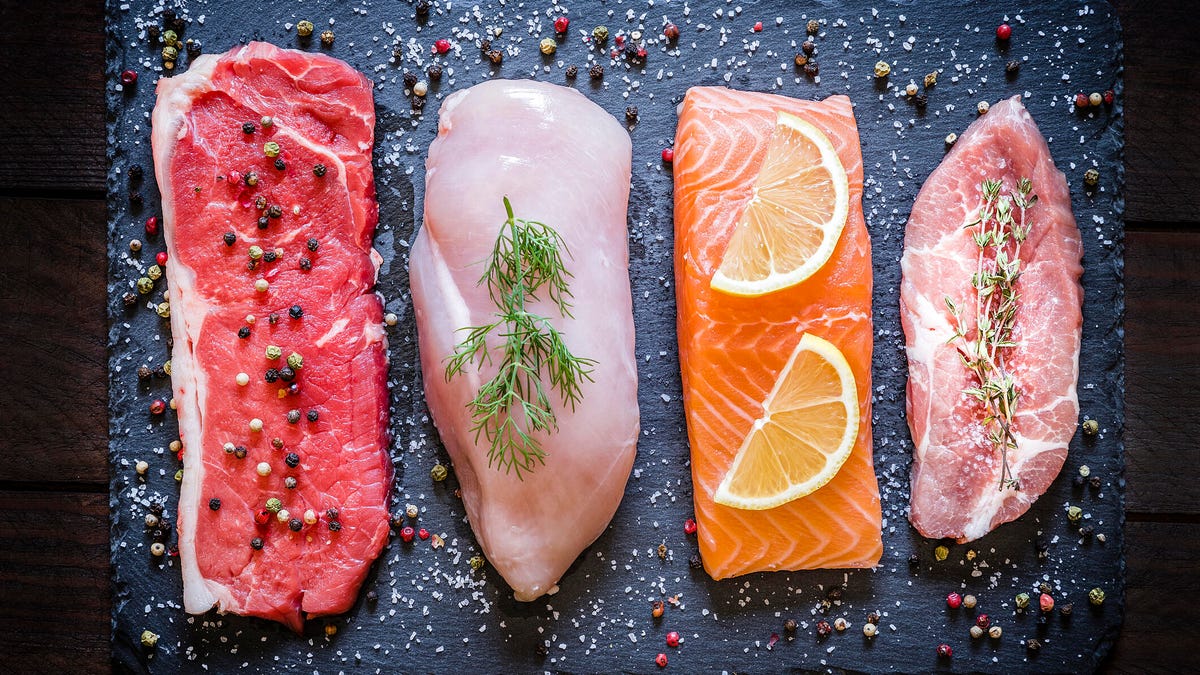
Increase Your Protein Consumption with These 7 Dietary Tricks
How to Increase Your Daily Protein Intake
Protein is one of the best foods to consume for muscle recovery, growth, and strength. The average adult should be eating at least 0.8 to 1 gram of protein per kilogram of body weight (PDF). For example, if you weigh 150 pounds (68 kilograms), you should aim for about 55 to 68 grams of protein per day. One of the easiest ways to make sure you’re hitting the mark is to divide your required amount of
protein by the number of meals you eat daily. That way, you know how much protein each meal should include.
People who are active, lift weights, compete in sports or have laborious jobs may find it benefits them to eat more protein than the recommended minimum. Older adults, especially those at risk of sarcopenia (age-related muscle loss) can also benefit from eating more protein. To calculate how much protein you need, try this dietary reference intake calculator from the United States Department of Agriculture. CNET’s visual guide also shows you what 100 grams of protein looks like.
The number of grams of protein you have to eat regularly can seem daunting, but having the right strategy and understanding can make this achievable. Here are seven simple strategies to increase the grams of protein you eat daily.
1. Make protein a ritual
The “consistency is key” adage has become universal advice because it’s true and applicable for just about any habit you want to start and keep — or any habit you want to quit.
Ritualizing things — or attaching one action to another action — can help with consistency, which eventually leads to habits. For example, if you’re trying to get more steps in every day, you could say, “I’ll walk for 10 minutes after breakfast, lunch, and dinner each day.” Boom — that’s 30 extra minutes of walking every day.
Try ritualizing protein in that sense. Maybe you drink milk with breakfast every morning, or perhaps drink a protein shake instead and then protein becomes part of your breakfast ritual. With 20 to 40 grams of protein, a daily protein shake can quickly up your overall protein intake.
You can also ritualize protein by drinking a post-workout shake. This may seem like common sense, but trust me, it’s easy to forget your post-workout drink if you say, “Eh, I’ll drink it after dinner or after I shower.” Go ahead and make it as soon as your workout is over; drink it during your post-workout stretches or cooldown, and it’ll become a ritual.
2. Eat your protein first
When you eat meals with protein sources, try eating the bulk of the protein before moving onto the other food sources on your plate, especially grains, which can fill you up fast. Eating your protein source first ensures you’ll eat it all before you get too full.
An added bonus: Protein can make you feel fuller, so if you’re trying to lose weight, eating adequate protein can help you reach your health goals.
3. Top foods with chopped nuts
Nuts aren’t necessarily the best source of protein by volume, but adding them atop your meals throughout the day can give you a nice protein boost.
Try adding chopped walnuts (4.3 grams of protein per serving) to salads, chopped peanuts (6.7 grams per serving or almonds (six grams per serving) to oatmeal and chopped cashews (5.2 grams per serving) to stir-fries.
4. Choose leaner meats
Leaner meats have less fat per portion, which means they have more lean meat, thus more protein, per portion. This is one super easy way to add more protein to your daily intake if you eat animal proteins every day.
Leaner meats have fewer calories than fattier meats, and protein induces satiety, so this is a good tactic for anyone trying to lose weight.
5. Choose brown rice or quinoa over white rice
This is one easy swap you can use often to get more protein in your diet. Both quinoa and brown rice have more protein per serving than white rice and can replace white rice in most meals.
The texture is similar, although quinoa does have a more earthy taste than rice. Each serving of cooked quinoa packs 8 grams of protein per cup, while brown rice contains 5.3 grams per cup — white rice, on the other hand, contains just 4.4 grams of protein per cup.
[Quinoa surpasses both white and brown rice in terms of protein, but brown rice still offers more protein than white rice and is a good choice if you don’t enjoy quinoa.](#)
6. Add beans to anything
Beans are an often overlooked and underappreciated protein source. They’re so easy to add to salads, pastas, tacos, and many other dishes and, depending on the type of bean, can add up to 10 grams of protein per half-cup.
7. Swap white bread for whole-grain
Bread is an unassuming place to up your protein intake, but some breads actually pack quite the protein punch: Just like brown rice has more protein than white rice, whole-grain bread has more protein than white bread.
This is because whole-grain foods keep all parts of the grain — the germ, the bran and the endosperm — whereas the refining process strips grains down to just the endosperm, which doesn’t contain many nutrients.
Source link