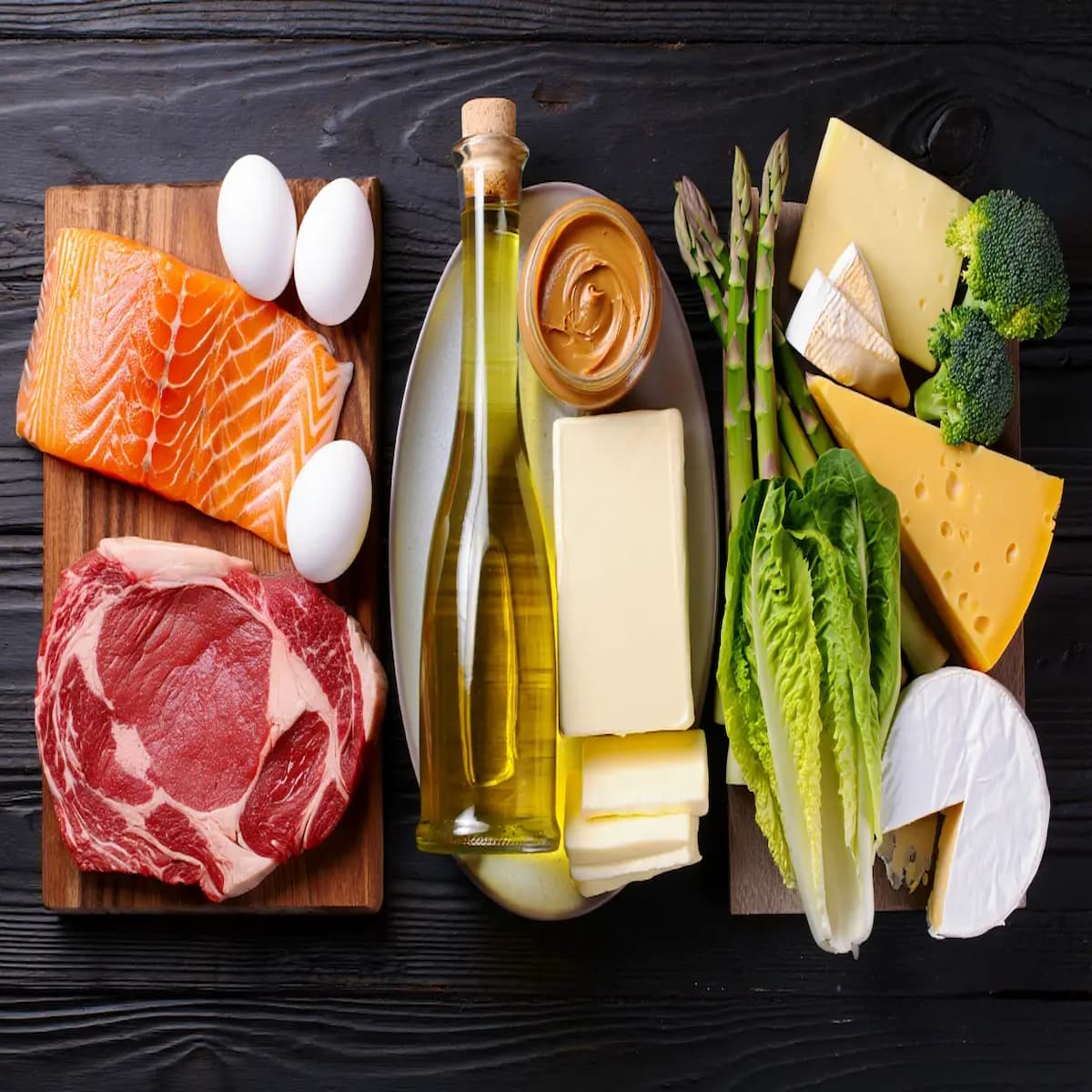
Keto is not just about cutting carbs. It is about knowing which food groups support ketosis, energy, and long-term health. This guide breaks down the key keto-friendly categories and how they actually work inside your body.
Jump to:
What Are Keto Food Groups?
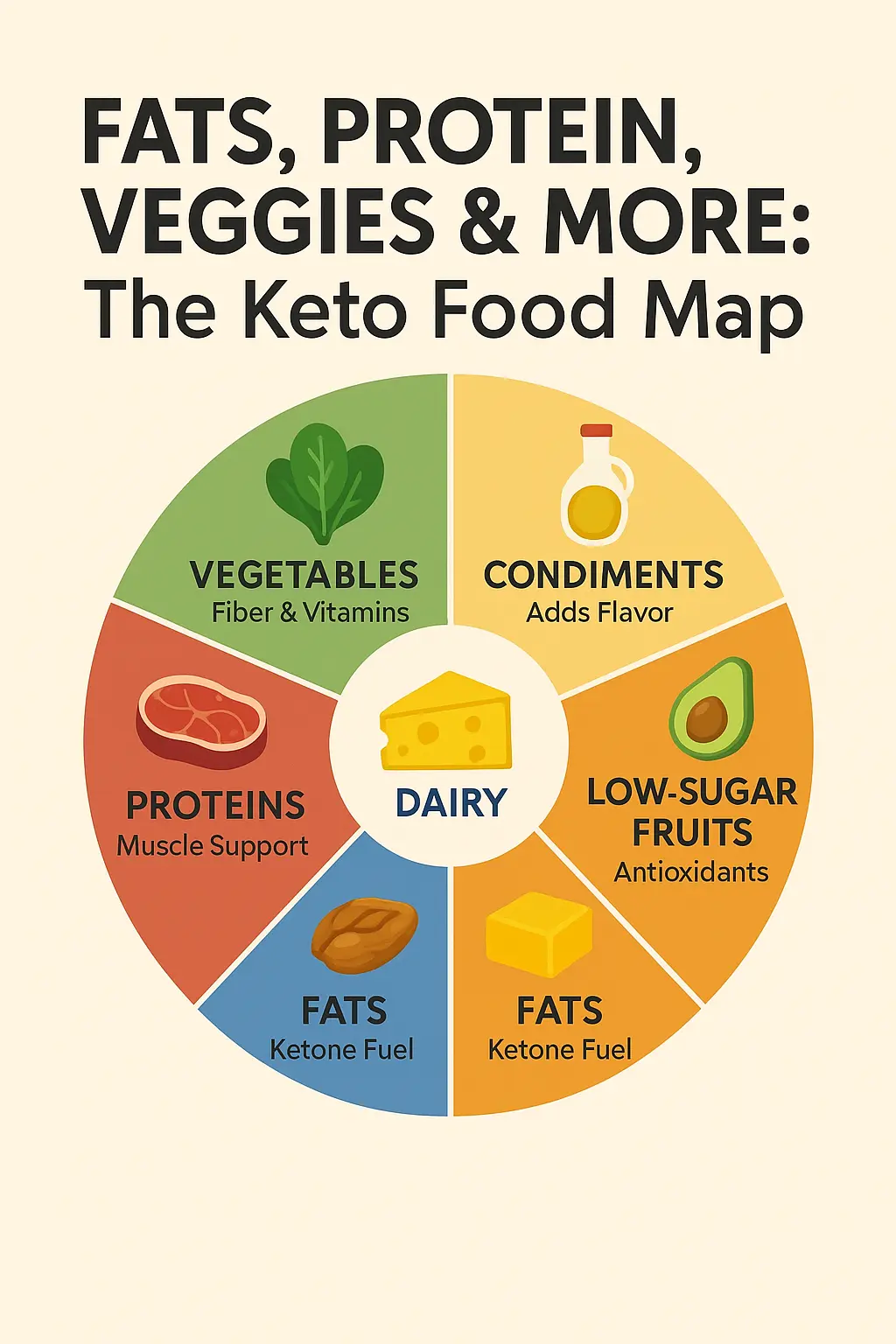
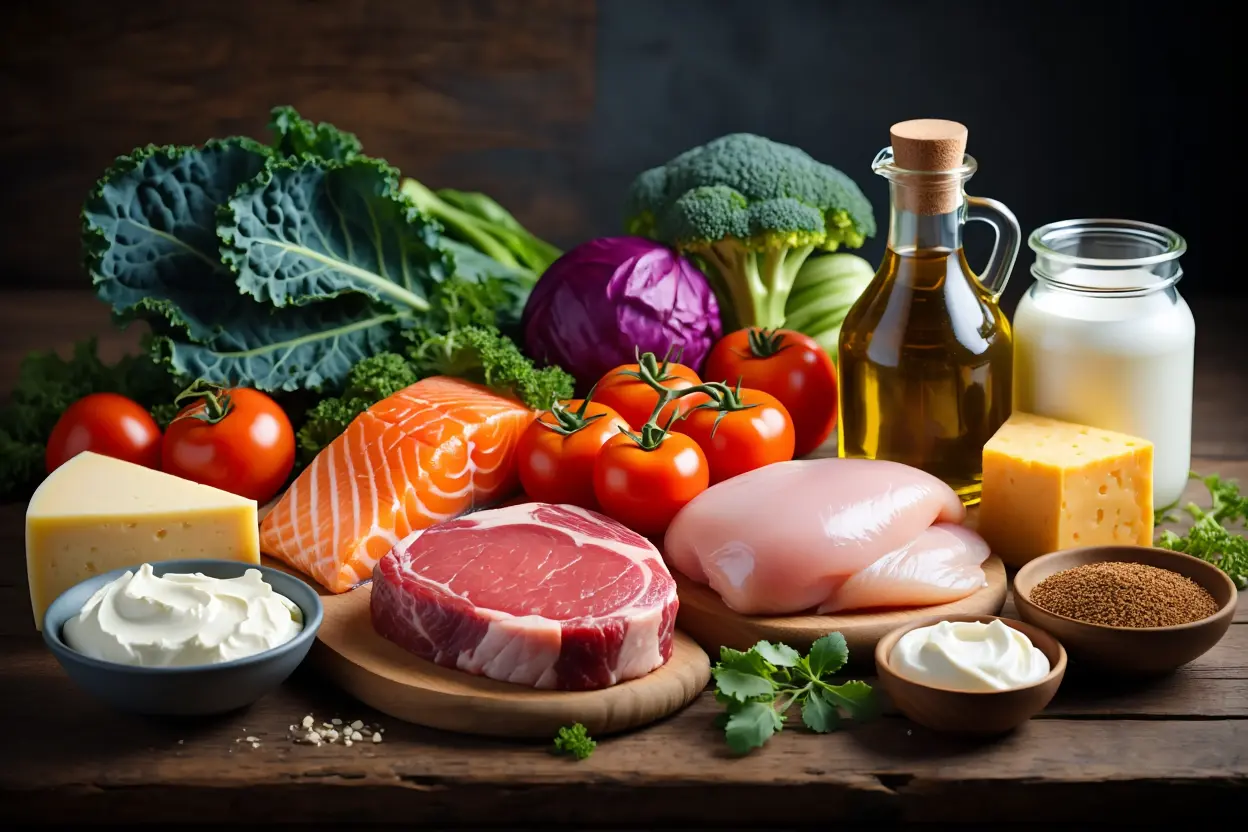
Keto food groups are low-carb, high-fat, and moderate-protein categories that keep the body in ketosis. Each group plays a role in helping you burn fat, stabilize energy, and prevent diet burnout.
Which Fats and Oils Should You Eat on Keto?

Fats are the core fuel source in keto. Choose healthy, unrefined options.
Avoid industrial seed oils like soybean, canola, or corn oil. These promote inflammation and insulin resistance.
Which Proteins are Best for Keto?
Protein on keto should be high-quality and eaten in moderate amounts.
Consuming excessive protein can slightly raise blood sugar levels through a process known as gluconeogenesis. However, this usually does not lead to harmful spikes in healthy individuals. It is advisable to stick to moderate portions based on your body weight.
What Vegetables Can You Eat on Keto?
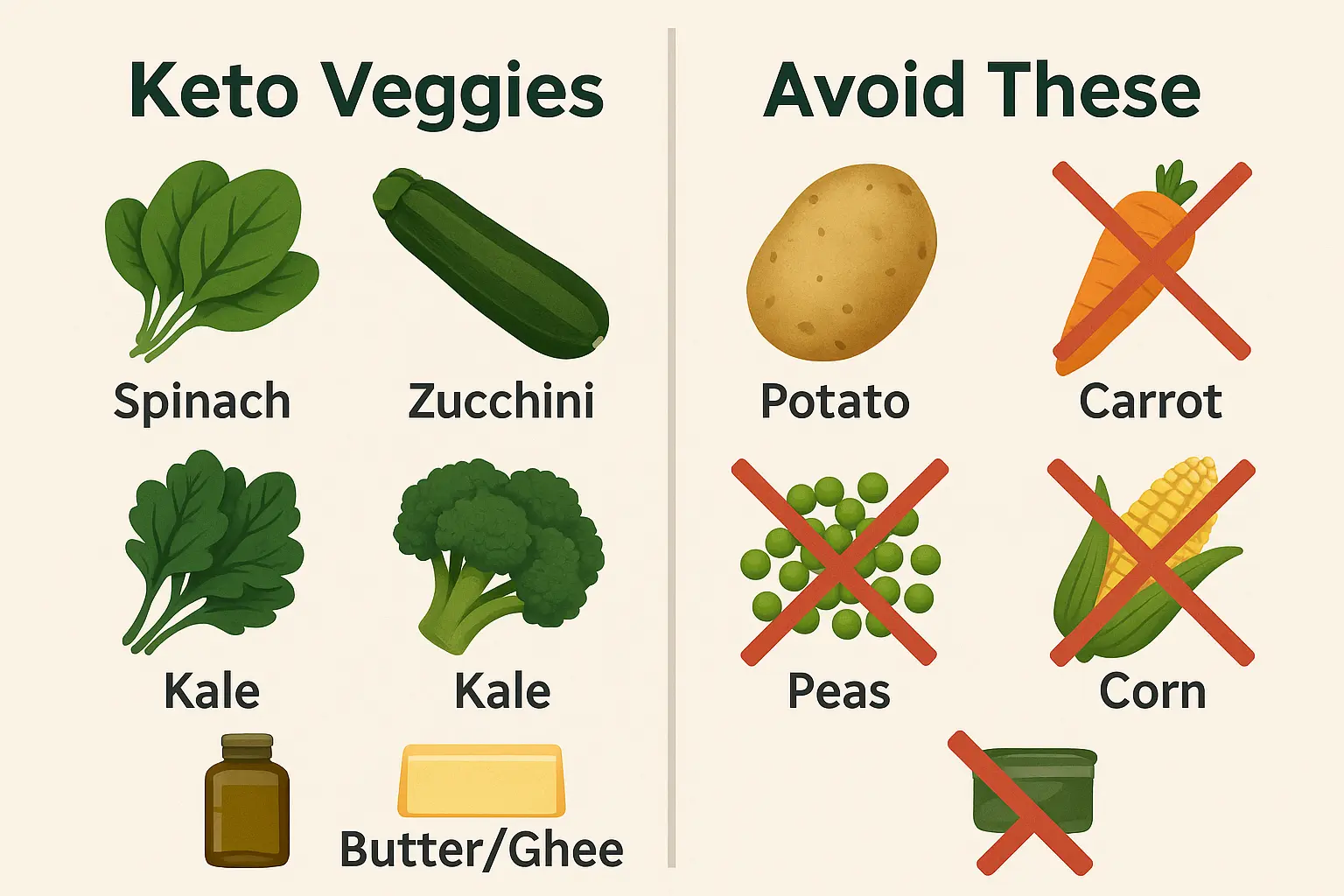
Low-carb vegetables provide essential fiber, antioxidants, and minerals.
Top keto-friendly vegetables:
Avoid starchy options like potatoes, carrots, corn, and peas. These can easily push you over your daily carb limit.
Is Dairy Keto-Friendly?
Yes, as long as it is full-fat and unsweetened.
- Cheese: cheddar, mozzarella, goat
- Heavy cream: use in sauces or coffee
- Greek yogurt: full-fat, plain
- Cottage cheese: Eat in moderation
Avoid skim milk, low-fat dairy, and flavored yogurts. These often contain added sugar or lactose.
Can You Eat Nuts and Seeds on Keto?
Yes, but they are calorie-dense. Stick to measured servings.
| Nut or Seed | Net Carbs | Benefits |
| Pecans | 1g | Vey low carbs, rich in fats |
| Walnuts | 2g | Very low carbs, rich in fats |
| Almonds | 2g | Magnesium and fiber |
| Chia Seeds | 1g | High fiber, omega-3s |
| Flaxseeds | 0g | Gut-friendly lignana |
Use nuts to add texture or fat, not to fill your plate.
What Fruits Are Allowed on Keto?
Only low-sugar fruits are allowed on keto. Most fruits are too high in natural sugar.
Keto-approved options:
Avoid tropical fruits like bananas, mangoes, or grapes. Just one serving can exceed your daily carb limit.
Which Drinks and Condiments Are Keto-Safe?
Focus on sugar-free, additive-free options. Watch labels closely.
Drinks to choose:
Condiments to use:
Many commercial sauces include maltodextrin, corn syrup, or starch. Read before you pour.
Which Foods Should You Completely Avoid on Keto?

Eliminate high-carb, insulin-spiking, or processed foods.
| Avoid These Foods | Why They Don’t Belong on Keto |
| Bread, Pasta, Rice | High starch content |
| Beans, Lentils, Peas | Too many net carbs per serving |
| Bananas, Apples, Grapes | High sugar fruits |
| Milk, Sweetened Yogurt | Contains lactose and added sugars |
| Cereal, Baked Goods | Refined carbs plus sweetners |
| Beer, Sweet Wine | Refined carbs plus sweeteners |
These are the most common foods that kick people out of ketosis.
What does each food group contribute to your health?
Each keto-friendly group plays a distinct metabolic role.
| Group | Main Benefit |
| Fats | Fuel source, helps ketone production |
| Proteins | Muscle support, hormone regulation |
| Vegetables | Adds fiber, vitamins, antioxidants |
| Dairy | Supplies calcium, fat, and protein |
| Nuts & Seeds | Supports digestion, heart health |
| Low-sugar fruits | Antioxidants, hydration, variety |
| Condiments | Keeps meals flavorful without added sugar |
Balancing these groups supports energy, gut health, and fat metabolism.
What are the health benefits of eating this way?
A structured keto diet does more than help you lose weight.
These benefits are well-supported by clinical trials from verified sources.
What Does a Day of Balanced Keto Meals Look Like?
A successful day includes variety across all food groups.
Final Thoughts: What’s the Key to Mastering Keto Food Groups?
Understanding keto food groups is the foundation for creating meals that keep you in ketosis and support long-term health.
When you build your diet around real, whole foods in the right categories, such as healthy fats, moderate proteins, and low-carb vegetables, staying consistent becomes easier.
Instead of obsessing over every number, focus on selecting ingredients that naturally align with the keto diet.
Eating across all key food groups each day ensures you get enough variety and essential nutrients without relying on processed options.
Frequently Asked Questions
How do I know if a food fits into keto?
Check net carbs per serving. If it is low in carbs and high in fat or fiber, it likely fits. Avoid foods with added sugar, grains, or starch.
Is it OK to eat from all keto food groups every day?
Yes. Combining food groups provides balanced nutrition and better appetite control.
Can I be vegetarian or dairy-free on keto?
Absolutely. Use plant-based fats (avocados, nuts, seeds) and proteins like eggs, tofu, and non-dairy alternatives. Get our guide on vegetarian keto recipes.
What if I eat too much protein or dairy?
You may slow fat adaptation or spike insulin. Focus on fat as the main fuel, and treat protein and dairy as supporting players.
Are there keto-friendly foods not in any group?
Some extras like electrolyte drinks, bone broth, and collagen powder are keto-compatible but not part of traditional food groups. They still support the diet when used smartly.
Source link