rewrite this title Traditional Japanese diet associated with less brain shrinkage in women compared to Western diet, says research
rewrite 100% unique 1500 words SEO optimized article in HTML format about
Cognitive decline and dementia already affect more than 55 million people worldwide. This number is projected to skyrocket over the next few decades as the global population ages.
There are certain risk factors of cognitive decline and dementia that we cannot change—such as having a genetic predisposition to these conditions. But other risk factors we may have more power over—with research showing certain modifiable lifestyle habits, such as smoking, obesity and lack of exercise, are all linked to higher risk of dementia.
What role nutrition plays in preventing cognitive decline and dementia has also been the focus of scientific research for quite some time.
For example, numerous studies have examined the benefits of the Mediterranean diet. This diet seems to have a positive effect on important metrics of a healthy brain, such as total brain volume, cortical thickness, and integrity of white matter.
Our recent study now suggests that following a traditional Japanese diet may also be beneficial for brain health—and better for it than the typical western diet is.
The traditional Japanese diet
Japan is renowned for the longevity of its people. For example, the Okinawa Prefecture in southern Japan hosts an extraordinarily high number of centenarians. For this reason, Okinawa is recognized as a Blue Zone, an area where people live exceptionally long lives. The longevity of those living in this region is often attributed in part to their traditional diet.
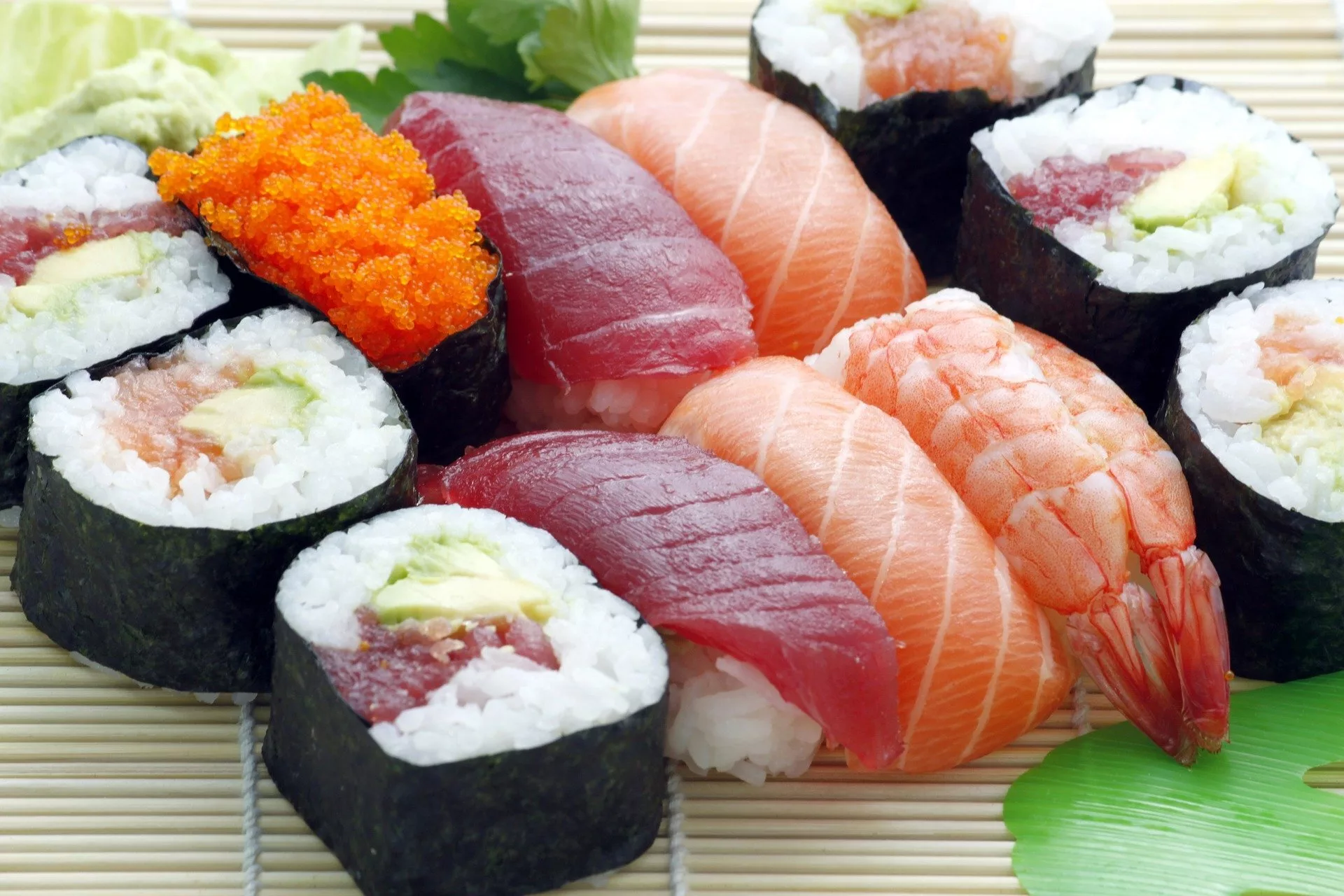
The typical Japanese diet is characterized by foods such as rice, fish and shellfish, and fruits (especially citrus fruits). But what makes this diet unique are traditional Japanese foods such as miso (fermented soybean paste), seaweed, pickles, green tea, soybeans, soybeans sprouts and mushrooms (such as shiitake). Notably, this diet is also characterized by low intake of red meat and coffee.
It’s worth noting that the traditional Japanese diet is a cultural habit rather than a diet designed for achieving a particular objective (such as weight loss). It’s simply what many Japanese people regularly enjoy at their dining table.
Brain health
To conduct our study, we looked at a sample of 1,636 Japanese adults aged 40 to 89.
We first identified the participants’ typical diet by asking them to record everything they ate and drank for three days. They were also given a disposable camera to take pictures of their plates before and after each meal to produce a visual record of how much they ate.
Combining the written diet record with the pictures, we then calculated each person’s average daily food intake. This gave us a good baseline measure of the participants’ normal eating habits.
Based on the dietary records, we found 589 participants followed a traditional Japanese diet. A further 697 participants ate a typical western diet, which was characterized by a high consumption of refined carbs, high-fat foods, soft drinks and alcohol. Finally, a smaller number of participants (350 people) ate a diet containing a higher than average amount of plant foods (grains, vegetables, and fruits) and dairy products. We named this way of eating the vegetable-fruit-dairy diet.
We also collected information on other lifestyle and health factors, including whether the participant had a genetic predisposition to dementia (such as the APOE genotype), whether they smoked, their level of physical activity and if they had any existing health conditions (such as stroke or diabetes). We did this to adjust our analyzes to account for these factors, ensuring that our findings could be attributed solely to diet.
Then, we analyzed the progression of brain atrophy or shrinkage (a loss of neurons) over a period of two years. Crucially, age-associated brain atrophy is a common marker of cognitive decline and dementia. Brain atrophy was measured through an MRI scan.
We found that women who followed the traditional Japanese diet had less brain shrinkage over the two-year study period compared to women who followed the western diet. It’s less clear what effect the vegetable-fruit-dairy diet had—probably due to the small number of participants who followed this diet.
Interestingly, this effect was only apparent in women. There was no difference in the amount of brain shrinkage seen in men who followed the traditional Japanese diet compared to those following other diets.
There could be a few reasons for this pattern of results. Some seem to be specific to the biological differences between sexes. For example, certain nutrients—such as magnesium and the plant estrogens found in fish, shellfish, mushrooms, whole grains, and legumes—appear to have a stronger protective effect on women’s brains.
This effect could also be explained by differences in lifestyle habits between sexes. Negative factors, such as smoking—which may counteract the benefits of a healthy diet—were found to be far more common among men. Also, male participants were more likely to stray from the traditional Japanese diet—tending to consume more noodles (a source of refined carbs) and alcoholic beverages (sake) than the women. Both of these factors may contribute to brain shrinkage.
The benefits of the Japanese diet may also stem from the fact that many foods are rich in vitamins, polyphenols, phytochemicals and unsaturated fatty acids. All of these components are known for their antioxidant and anti-inflammatory effects—which basically means they help keep the brain and its neurons working their best.
It will now be important for further research to be conducted—not only to confirm our findings, but to explore some of the reasons for the differences seen between men and women when it comes to their preferred diet and brain health.
Embracing elements of the traditional Japanese diet and including foods such as fish, seafood, soy, miso, seaweed and shiitake mushrooms, may not only help improve cognitive function but overall health too.
This article is republished from The Conversation under a Creative Commons license. Read the original article.
Citation:
Traditional Japanese diet associated with less brain shrinkage in women compared to Western diet, says research (2024, April 7)
retrieved 7 April 2024
from https://medicalxpress.com/news/2024-04-traditional-japanese-diet-brain-shrinkage.html
This document is subject to copyright. Apart from any fair dealing for the purpose of private study or research, no
part may be reproduced without the written permission. The content is provided for information purposes only.
Source link