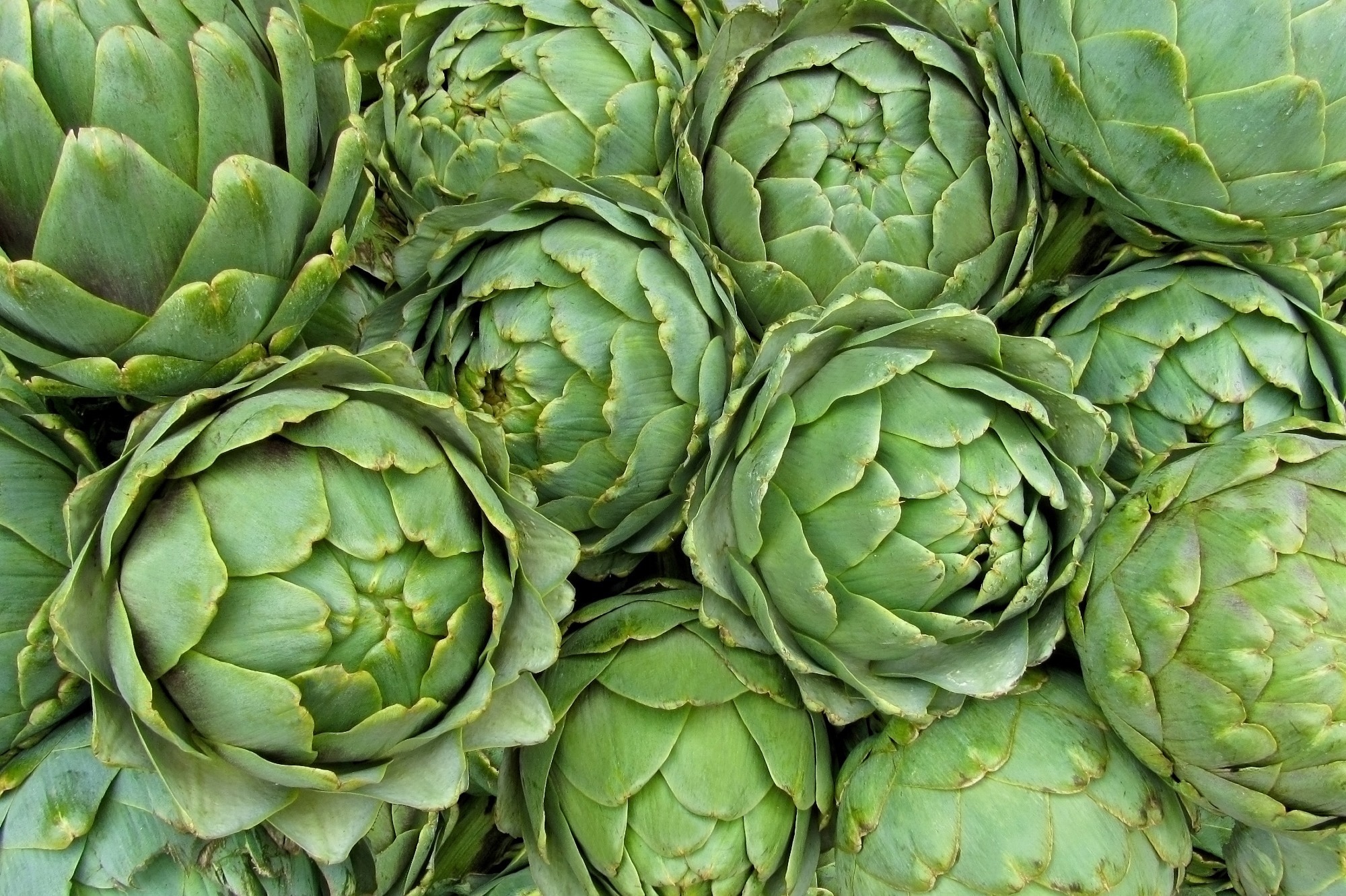
An abundant source of dietary fiber and phenolic antioxidants
HTML Format for the Unique 1500 Word SEO Optimized Article:
“`html
The Health Benefits of Globe Artichoke: A Comprehensive Review
In a recent review published in Nutrients, Prof. Beata Olas collates available scientific literature on the clinical and nutraceutical health benefits of Cynarra scolymus, the globe artichoke.
The review summarizes research on different edible parts of the plant, the antioxidant properties that the artichoke possesses, and dietary supplements and by-products derived from the herb.
It further touches upon any potential toxicity of the plant or its metabolites in clinical dosage scenarios.
The Miracle of the Humble Globe Artichoke
Cynara scolymus, the globe artichoke, is a species of herb commonly grown for its dietary value in the Mediterranean, Egypt, the Canary Islands, and parts of Asia and South America.
The plant’s capitula, leaves, and flowers are edible and form the bulk of its historic ecosystem service. Some cultures have used infusions of the leaves for their curative properties, which recent research has attributed to the herb’s substantial antioxidant potential.
The globe artichoke is rich in phenolic compounds, with properties such as caffeic acid derivatives and flavonoids like apigenin and luteolin. These compounds are being explored for their anti-cancer, antimicrobial, and hepatoprotective potential.
Study: An Overview of the Versatility of the Parts of the Globe Artichoke (Cynara scolymus L.), Its By-Products and Dietary Supplements. Image Credit: Ev Thomas/Shutterstock.com
Phytochemical Characteristics and Nutritional Benefits of the Globe Artichoke
Biochemical and nutritional research has revealed that the globe artichoke contains about 57 kcal of energy for every 100 g of its dry weight, making it a low-calorie plant-based food and justifying its inclusion in ‘healthy diets’ such as the Mediterranean diet.
100 g of the plant further contains 3 g of protein, 11 g of carbohydrates, and 0.2 g of fatty acids. Notably, 5.4 g out of every 100 g of C. scolymus is dietary fiber, and up to 36% of its dry matter is inulin, both of which are known to have digestive and prebiotic effects.
“`
This HTML format provides a structure for the article on the health benefits of globe artichoke. It can be further expanded with the remaining content to reach the desired 1500-word length.
Source link